
Immigrant Thanksgiving: Guilt, Gratitude and Belonging
By Ashti Mistry, LICSW, Founder & Clinical Director, Bee Insightful Therapy
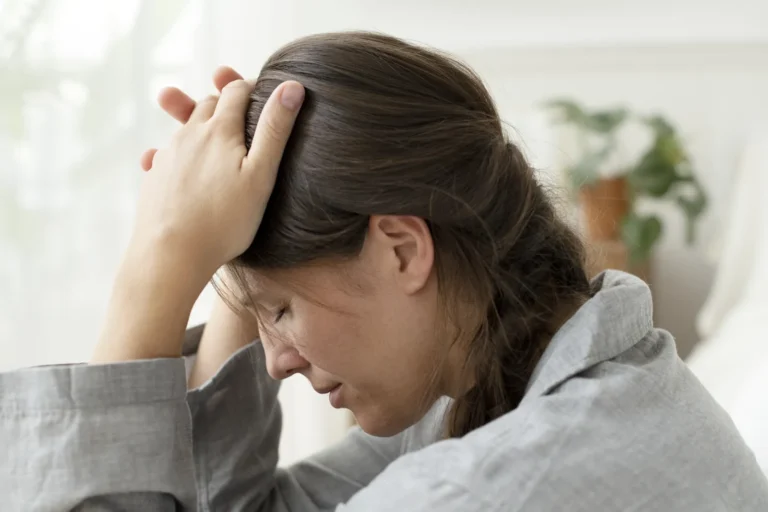
Thanksgiving can feel complicated in immigrant families. It’s an American holiday your parents may not have grown up with, it can come with a lot of pressure to feel grateful, and it can be lonely if family is far away. You can be thankful and still feel sad, guilty or in-between. Both can be true, and support can help.
This year, Thanksgiving falls on Thursday, November 26. For many people, the long weekend is full of food and family. For others, it’s a reminder of who isn’t at the table, or of not quite fitting at any table.
Gratitude Pressure and the Guilt of the Children of Immigrants
Many children of immigrants grow up hearing some version of “Think about what we gave up for you.” Parents may have left their families, careers and homes so their children could have more opportunities. That sacrifice is real, and so is the love behind it.
But gratitude can start to feel like a debt. You might notice:
- Guilt when you feel unhappy, because “you have so much”
- Feeling you can’t complain about stress, loneliness or burnout
- Pressure to make your parents’ sacrifices “worth it” through your career, marriage or choices
- Resentment you feel ashamed of, followed by more guilt
A holiday built around giving thanks can bring all of this to the surface. Feeling guilty instead of grateful doesn’t mean you’re ungrateful. It often means you’re carrying a lot of expectations at once.
“Two Thanksgivings”: Not Fully Belonging at Either Table
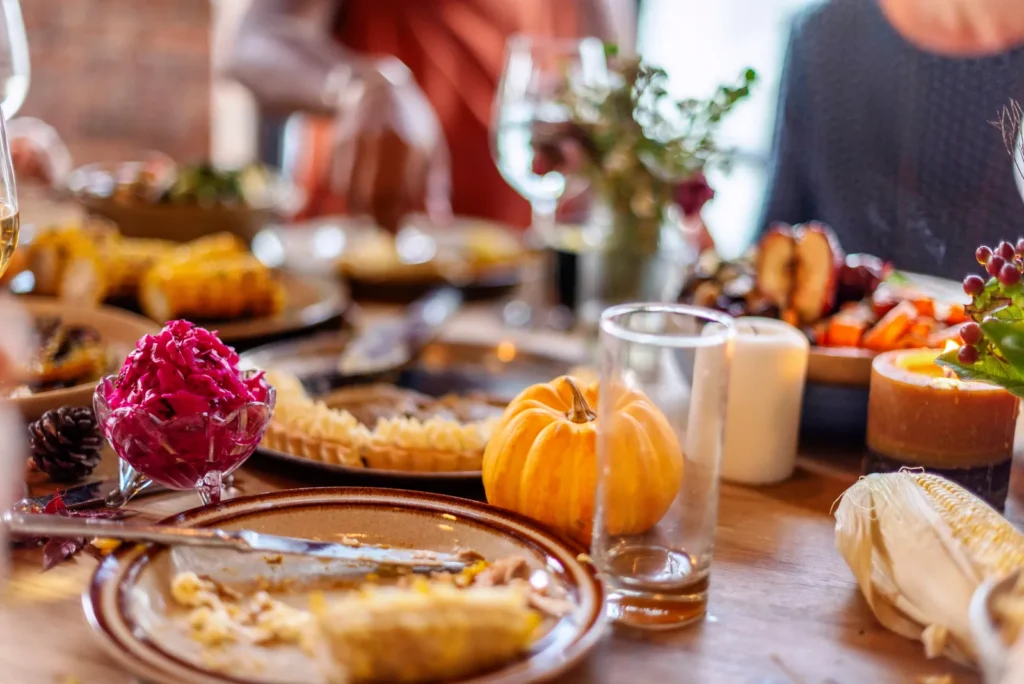
Some people move between two very different holiday tables: maybe a desi spread with biryani and chai at your parents’ home, and a turkey dinner with a partner’s family, friends or coworkers. You might feel like a slightly different person at each one.
This in-between feeling is common for people raised between cultures. You might feel too American for your relatives and not quite at home with everyone else, or like you’re always translating, in language or in values. It can be tiring, and lonely, even in a full room.
There’s no single right way to belong. Many people find it helps to stop asking which table they really belong at and start asking what they want to carry from each.
Immigrant Parents and an American Holiday
Families handle Thanksgiving in many ways. Some immigrant parents embrace it fully, some adapt it with their own dishes, some treat it as a simple day off, and some skip it entirely. None of these is wrong.
It’s also worth remembering that Thanksgiving has a complicated history. Since 1970, Native Americans and their supporters have gathered in Plymouth, Massachusetts, on Thanksgiving Day for a National Day of Mourning. Some families choose to hold gratitude alongside that history.
If your family doesn’t celebrate, or celebrates differently than your friends do, that’s okay. What matters is finding a way to spend the day that feels right to you.
Alone for Thanksgiving, Far From Family
For international students, new arrivals and young professionals in Boston, Cambridge, Worcester and Providence, Thanksgiving can be one of the loneliest days of the year. Campuses empty out, offices close and social media fills with family photos. If your family is in another country, the time difference can make even a phone call hard to schedule.
You might feel homesick, invisible or unsure whether you’re “allowed” to feel sad about a holiday you didn’t grow up with. You are. Missing home is a real feeling, whatever the date.
If you’ve recently moved, our post on mental health support for immigrants may help. And if you’re a parent whose child is far away at college this year, our post on when your child leaves for college speaks to that side of the holiday.
Making the Day Your Own
You don’t have to celebrate Thanksgiving the “right” way. A few ideas:
- Host or join a Friendsgiving with other people who are far from family.
- Schedule a video call home at a time that works for both time zones, perhaps over a meal from home.
- Cook something that reminds you of home, even if it’s just for you.
- Make it a rest day. A walk, a movie and an early night is a perfectly good holiday.
- Name both feelings. “I’m grateful for my parents, and I’m also tired of feeling like I owe them everything.” Saying both out loud can bring relief.
Our post on festival loneliness far from family has more ideas for holidays away from home.
When Loneliness or Low Mood Lasts
Holiday sadness often eases once the season passes. It may be time to talk with someone if you notice:
- Low mood or loneliness that lasts most days for weeks
- Losing interest in things you usually enjoy
- Changes in sleep, appetite or energy
- Feeling hopeless, or like you don’t belong anywhere
Learn more on our depression and anxiety therapy and life transitions therapy pages. If family visits during the holidays are a source of stress, a separate post on holiday boundaries is coming soon.
Bee Insightful Therapy offers individual therapy by secure telehealth for adults located in Massachusetts or Rhode Island, with care that understands life between cultures. Learn more about South Asian therapy in Massachusetts.
Sessions are in English. If you’d be more comfortable in another language, please ask during your free consultation and I’ll help you find the right fit.
Common Questions
Why do I feel guilty instead of grateful at Thanksgiving?
Many children of immigrants carry a deep awareness of their parents’ sacrifices, and a holiday about gratitude can turn that into pressure. Guilt doesn’t mean you’re ungrateful. It’s often a sign of competing expectations, and it can help to talk about both the gratitude and the strain.
How do I cope with Thanksgiving alone when my family is in another country?
Plan something small ahead of time, like a Friendsgiving, a video call home or a meal that reminds you of family. Let yourself feel homesick without judging it. If loneliness lingers well past the holiday, talking with a therapist can help.
Is it normal to feel like I don’t belong in either culture during the holidays?
Yes. Feeling in-between is common for people raised between cultures, and holidays can make it more noticeable. Many people find it helps to focus on what they want to keep from each culture rather than choosing one.
Can I talk to a therapist about loneliness?
Yes. Loneliness is a common reason people start therapy. A therapist can help you understand what’s behind it and find ways to build connection. A free 15-minute consultation is an easy way to start.
A Gentle First Step
If Thanksgiving brings up more guilt or loneliness than gratitude, a free 15-minute consultation is a gentle first step. Telehealth for adults anywhere in Massachusetts and Rhode Island; see costs and insurance.